

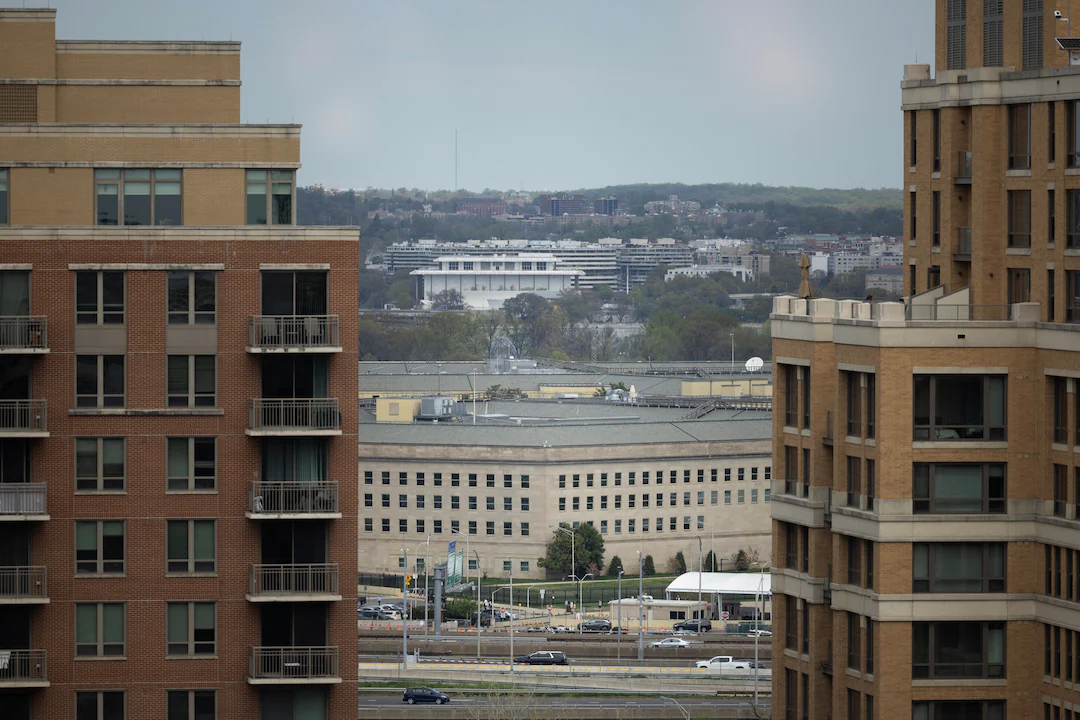
U.S. military personnel deployed in war zones have been targeted using commercially available location data collected from smartphones and digital devices, according to a Pentagon letter
The letter, sent by U.S. Central Command (CENTCOM) on April 14 and shared by Senator Ron Wyden, said military officials had received several threat reports about enemies using commercial location data to track or monitor American troops in operational areas. CENTCOM oversees U.S. military activities in the Middle East, including the Gulf region where tensions with Iran remain high.
Lawmakers described this as the first official confirmation that U.S. troops in active conflict zones were being targeted through data purchased from the commercial surveillance industry.
The lawmakers warned that location data can reveal where troops gather, their daily movements, and their routines. This information could potentially be used by adversaries to plan missile strikes, drone attacks, roadside bombings, or intelligence operations.
Location data is commonly collected by smartphone apps and online services, then sold to data brokers who trade the information with advertisers and other buyers. Privacy experts have long warned that such practices create serious security risks.
The issue has raised growing concerns in Washington after previous investigations showed that commercially available data could track military personnel and sensitive operations. Reports in recent years revealed how location data exposed movements around U.S. military and intelligence sites in Syria and Germany.
Lawmakers criticized the Pentagon for not taking stronger precautions sooner. They suggested measures such as disabling advertising IDs on military devices, turning off location sharing in combat zones, and replacing Google Chrome with more privacy-focused web browsers.
Representative Pat Harrigan, a former U.S. Army Special Forces officer, argued that browsers like Chrome collect large amounts of user data and could create security risks for troops.
Google defended Chrome in a statement, saying the browser has strong security protections and that the company supports stricter regulations on data brokers.
The Pentagon said it would respond directly to lawmakers but did not provide additional details publicly.