
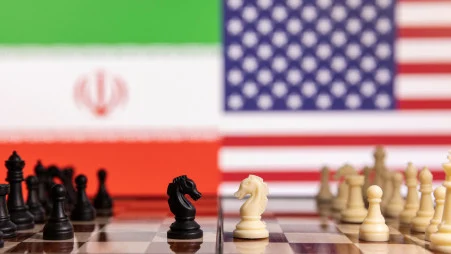
US President Donald Trump said on Tuesday that Iran had agreed to allow nuclear inspections for an unlimited period and that some frozen Iranian assets would be used to buy food and medical supplies from the United States.
Trump’s comments came after talks between US and Iranian officials in Switzerland aimed at building a peace agreement following more than three months of conflict.
US Vice President JD Vance said the discussions had created a strong foundation for a final deal and that Iran had agreed to allow international nuclear inspectors to return.
However, Iran rejected these claims. Foreign Ministry spokesperson Esmail Baghaei said Iran had not started talks on its nuclear program and had not agreed to invite inspectors from the International Atomic Energy Agency (IAEA) back into the country.
Iran’s ambassador to the United Nations in Geneva, Ali Bahreini, also denied that other countries would have any control over Iranian assets that may be released under the agreement. He said Iran alone would decide how the money is used.
Despite the disagreement, both sides reported progress in the talks. Iran said working groups would soon be formed to discuss sanctions relief and nuclear issues.
The negotiations are part of wider efforts to reduce tensions in the Middle East. The agreement also includes steps to maintain peace in Lebanon and improve the safety of shipping through the Strait of Hormuz, a key route for global oil supplies.
Oil prices have fallen since the interim deal was announced. However, uncertainty remains as the United States and Iran continue to disagree on important details of the agreement.
The conflict has also created political pressure for Trump at home, with rising fuel prices becoming a concern ahead of the upcoming US midterm elections.