

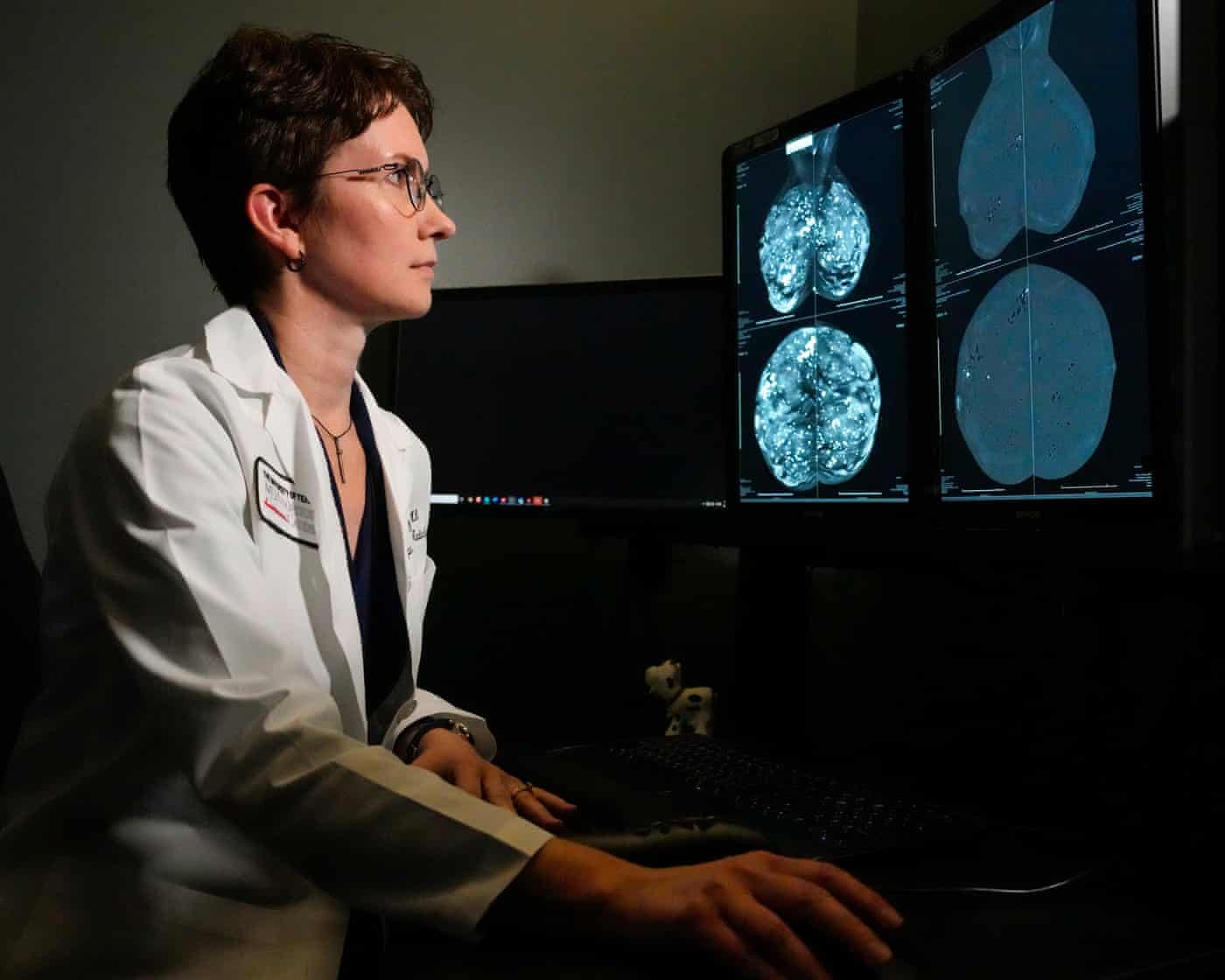
A new genomic test could allow millions of breast cancer patients to safely avoid chemotherapy, according to results from a major international study.
Breast cancer treatment usually involves surgery followed by chemotherapy if doctors believe there is a risk that the cancer may return. However, chemotherapy often causes serious side effects such as hair loss, nausea, fatigue, infertility, and early menopause.
Researchers have now developed a genetic test called Prosigna that analyzes the activity of 50 genes in a tumor. The test helps doctors identify which patients are at low risk of cancer recurrence and may not need chemotherapy.
The Optima trial, led by University College London (UCL), included more than 4,400 patients from the UK, Norway, Sweden, Australia, New Zealand, and Thailand. Most participants had hormone-positive breast cancer, the most common type of the disease.
Patients with low-risk scores were treated with hormone therapy alone, while those with high-risk scores received chemotherapy and hormone therapy. After five years, 94% of patients who skipped chemotherapy remained alive and free from cancer recurrence, compared with 95% of those who received chemotherapy.
Researchers say the results show that chemotherapy provides little or no extra benefit for many low-risk patients. This means thousands of women could avoid the physical and emotional burden of chemotherapy without reducing their chances of recovery.
Experts believe the findings could change breast cancer treatment guidelines around the world and mark an important step toward more personalized cancer care. The study results are being presented at the annual meeting of the American Society of Clinical Oncology in Chicago.