

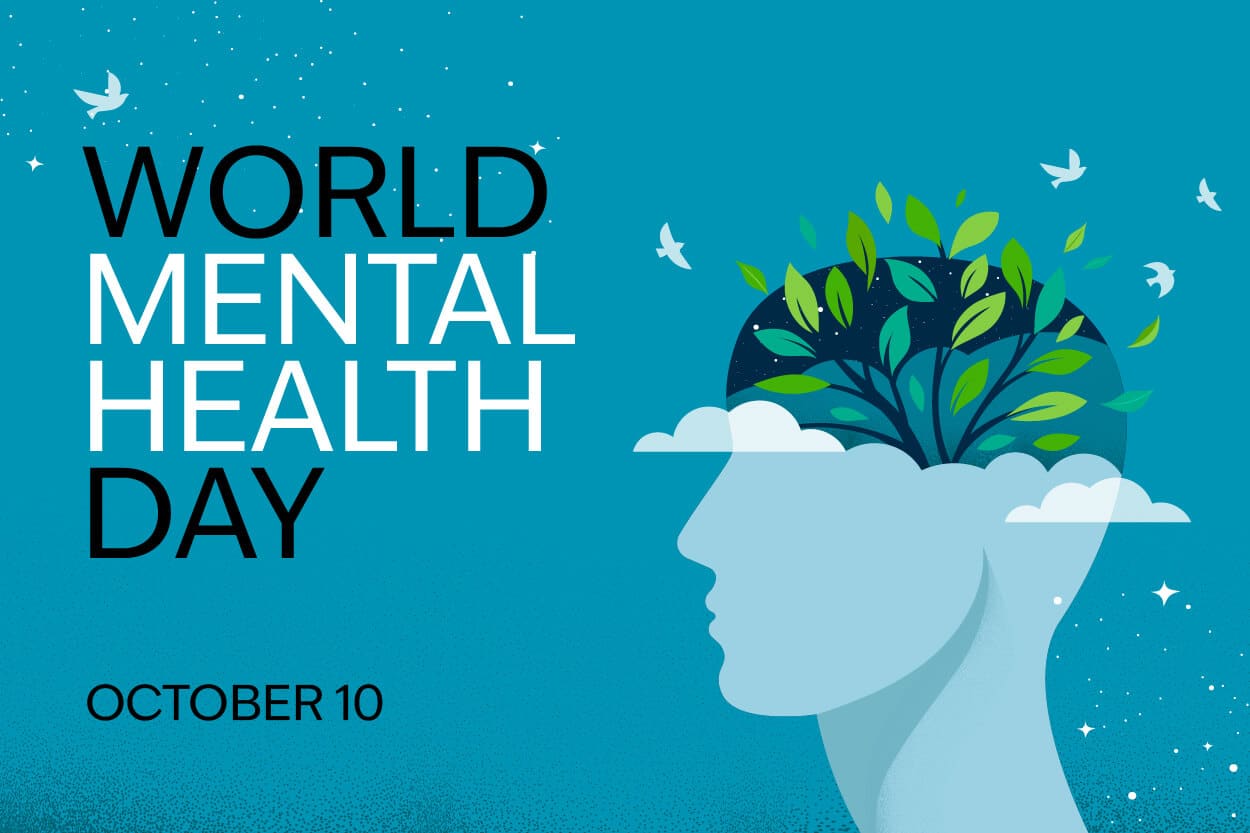
Mental health is an essential part of overall well-being, influencing how people think, feel, and act in their daily lives. It affects how we handle stress, relate to others, and make choices. Despite its importance, mental health often receives less attention than physical health. In recent years, however, awareness has grown, with societies recognizing that there can be no true health without mental health.
What is Mental Health?
Mental health refers to a person’s emotional, psychological, and social well-being. It determines how individuals manage emotions, cope with challenges, and interact with others. Good mental health is not merely the absence of mental illness—it also involves positive characteristics such as resilience, emotional balance, self-esteem, and the ability to adapt to life’s changes.
Common Mental Health Disorders
Mental health disorders vary in severity and form, affecting people differently. Some of the most common include:
- Depression: A persistent feeling of sadness and loss of interest in activities once enjoyed.
- Anxiety Disorders: Excessive fear, worry, or nervousness that interferes with daily functioning.
- Bipolar Disorder: Extreme mood swings ranging from emotional highs (mania) to lows (depression).
- Schizophrenia: A severe disorder affecting thought processes, perceptions, and emotions.
- Post-Traumatic Stress Disorder (PTSD): A condition triggered by experiencing or witnessing traumatic events.
- Eating Disorders: Such as anorexia nervosa and bulimia, which involve unhealthy relationships with food and body image.
Causes and Risk Factors
Mental health issues arise from a combination of biological, psychological, and environmental factors:
- Biological Factors: Genetics, brain chemistry, and physical health conditions can contribute to mental illness.
- Psychological Factors: Childhood trauma, chronic stress, or negative thought patterns often play a role.
- Environmental Factors: Social isolation, financial difficulties, discrimination, and lack of support can worsen mental health.
The Importance of Mental Health Awareness
Stigma surrounding mental illness has historically prevented people from seeking help. Awareness campaigns and education have begun to challenge these negative perceptions, encouraging open discussions and acceptance. When society treats mental health with the same importance as physical health, individuals feel more comfortable reaching out for support.
Promoting Good Mental Health
Maintaining mental wellness requires ongoing effort and balance. Some effective strategies include:
- Regular Exercise: Physical activity releases endorphins that improve mood and reduce stress.
- Healthy Diet: Nutrition affects brain function and emotional stability.
- Adequate Sleep: Rest helps regulate mood and cognitive processes.
- Social Connections: Building supportive relationships provides emotional strength.
- Mindfulness and Meditation: These techniques reduce anxiety and promote inner peace.
- Seeking Professional Help: Therapy, counseling, or medication can significantly improve mental well-being.
Role of Society and Institutions
Schools, workplaces, and governments play a vital role in promoting mental health. Integrating mental health education, providing access to counselors, and implementing policies that reduce workplace stress are essential steps. Mental health should not be viewed as a private issue but as a shared social responsibility.
Conclusion
Mental health is a cornerstone of a fulfilling and productive life. It influences every aspect of human existence—from relationships to work performance and community engagement. By fostering understanding, breaking stigma, and supporting one another, societies can create environments where everyone has the opportunity to thrive mentally and emotionally. Prioritizing mental health is not only a personal responsibility but also a collective commitment to humanity’s overall well-being.