

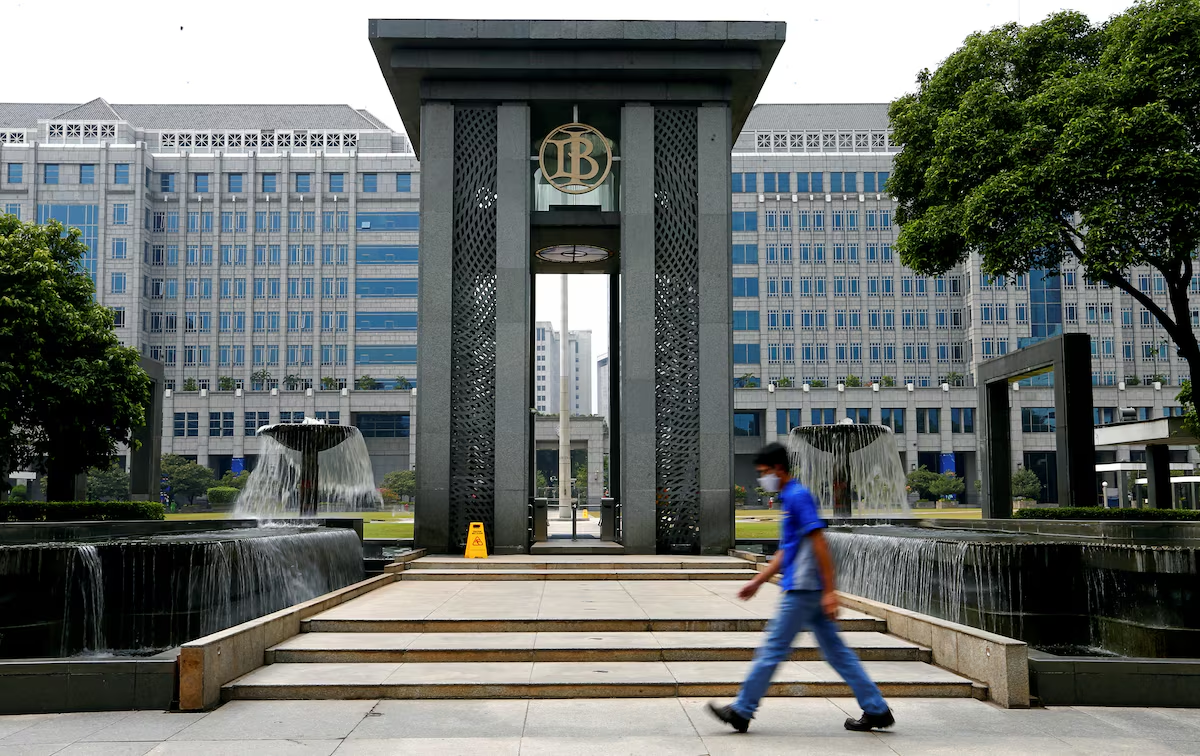
Indonesia’s central bank unexpectedly raised its benchmark interest rate by 25 basis points to 5.50% on Tuesday in an effort to support the weakening rupiah. It is the country’s first off-cycle rate increase in eight years.
The bank said the move was necessary because the rupiah had fallen more than expected since its last meeting in May, when it had already raised rates by 50 basis points. The currency has lost about 8% of its value this year and has dropped sharply in recent weeks, making it one of the world’s weakest-performing currencies.
Following the announcement, the rupiah strengthened slightly against the U.S. dollar, while the Jakarta stock market also posted strong gains.
The central bank said the rate hike aims to stabilize the currency, reduce the impact of global market volatility linked to the Middle East conflict, and keep inflation within its target range for 2026 and 2027.
Despite spending billions of dollars from its foreign exchange reserves to defend the rupiah, pressure on the currency has continued due to concerns over government spending plans, rising fuel subsidies, export policies, and investor confidence.
Analysts at Barclays expect the central bank could raise rates again at its scheduled meeting next week, although future rate cuts may be possible if the rupiah stabilizes.
Bank Indonesia Governor Perry Warjiyo said the country’s foreign exchange reserves remain sufficient to support the currency and maintain financial stability.